Merch Guides
What Is DTG Printing? DTG vs. DTF vs. Screen Printing
When choosing a graphic T-shirt, the printing method affects how the design looks, feels, and lasts. DTG, DTF, and screen printing are three common methods, but each is suited to different fabrics, designs, and production quantities.
Our T-shirts use DTG printing because it works well for detailed, full-color artwork on cotton garments.
What Is DTG Printing?
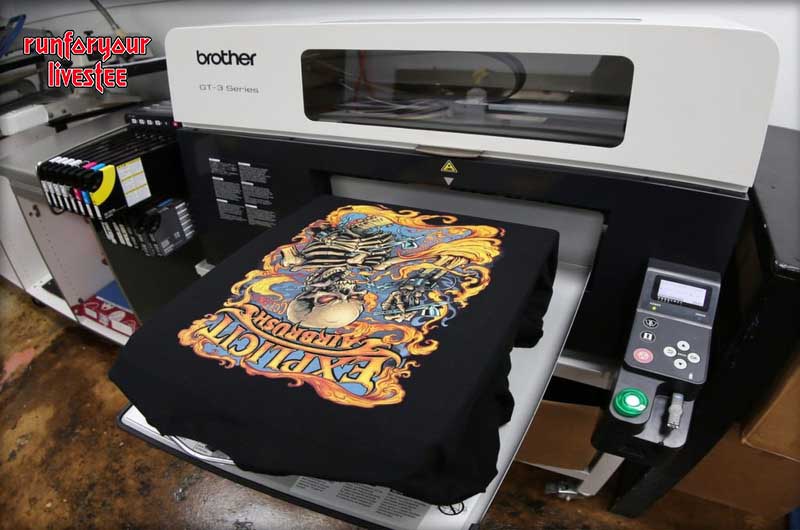
DTG stands for Direct-to-Garment printing. A digital printer applies textile ink directly onto the fabric, much like an inkjet printer applies ink to paper.
Before printing, dark-colored shirts are usually treated with a pretreatment solution and printed with a white ink base. This helps the colors appear brighter and clearer. The shirt is then cured with heat to set the ink.
DTG is especially suitable for:
- Full-color illustrations
- Fine lines and small details
- Gradients and shading
- Photographic designs
- Small or made-to-order production runs
Because the artwork is printed from a digital file, there is no need to create separate screens for each color.
What Does DTG Printing Feel Like?
DTG prints generally feel soft and flexible because the ink is applied directly to the garment rather than transferred as a separate sheet.
The texture can vary depending on the design size, ink coverage, and shirt color. Large designs on dark shirts may feel slightly firmer because they require a white ink base. The print often becomes softer after a few proper washes.
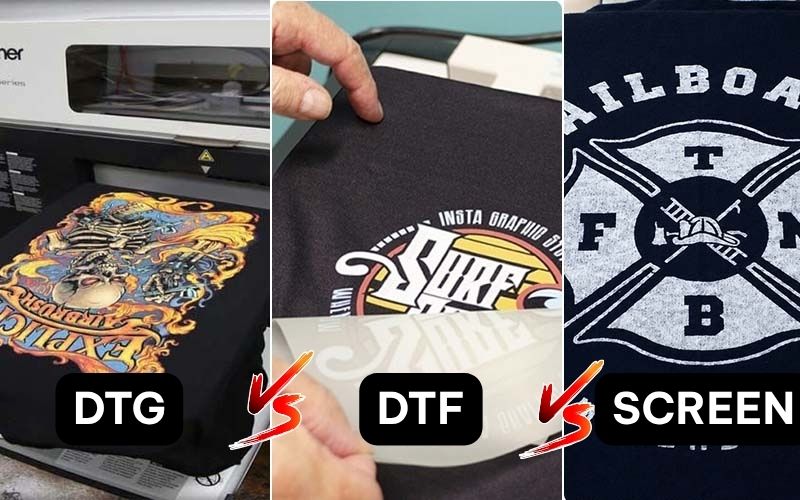
DTG vs. DTF vs. Screen Printing
| Feature | DTG | DTF | Screen Printing |
|---|---|---|---|
| Process | Printed directly onto the garment | Printed onto film and heat-transferred | Ink is pushed through mesh screens |
| Best fabrics | Mainly cotton | Cotton, polyester, and blends | Various fabrics |
| Print feel | Usually soft and flexible | More noticeable on the surface | Depends on the ink layers |
| Best designs | Detailed, full-color artwork | Colorful designs on different fabrics | Simple designs with solid colors |
| Small orders | Highly suitable | Highly suitable | Less practical |
| Large orders | Suitable, but slower | Suitable | Usually most efficient |
DTG is ideal for detailed artwork on cotton shirts. DTF is more flexible across different materials, but the transferred design may feel thicker. Screen printing is efficient for large quantities, especially when the design uses only a few solid colors.
Why Run For Your Lives Tee Uses DTG Printing
Our designs often include detailed characters, shading, fine lines, and multiple colors. DTG allows these elements to be printed without simplifying the original artwork.
It also supports made-to-order production, so each shirt can be printed after an order is placed. This helps reduce unnecessary inventory and allows us to offer more designs, colors, and sizes.
Is DTG Printing Durable?
A properly printed and cured DTG design can hold up well through regular wear and washing. However, like all printed clothing, it will gradually soften or fade over time.
Print durability depends on the ink, fabric, curing process, and how the shirt is washed. Heavy cracking or fading after only a few proper washes may indicate a production issue, while slight fading after extended use is normal.
How to Care for a DTG-Printed Shirt
To help protect the fabric and artwork:
- Turn the shirt inside out before washing.
- Use cold or cool water.
- Choose a gentle washing cycle.
- Avoid bleach and harsh detergents.
- Air-dry when possible.
- Use low heat when tumble-drying.
- Do not iron directly over the print.
Final Thoughts
DTF is useful for printing on different fabrics, while screen printing is efficient for large production runs. DTG is a strong choice for detailed, full-color artwork on cotton T-shirts.
For our graphic shirts, DTG provides a good balance of print detail, comfort, and production flexibility. Proper care will help the artwork remain in good condition through repeated wear and washing.
